
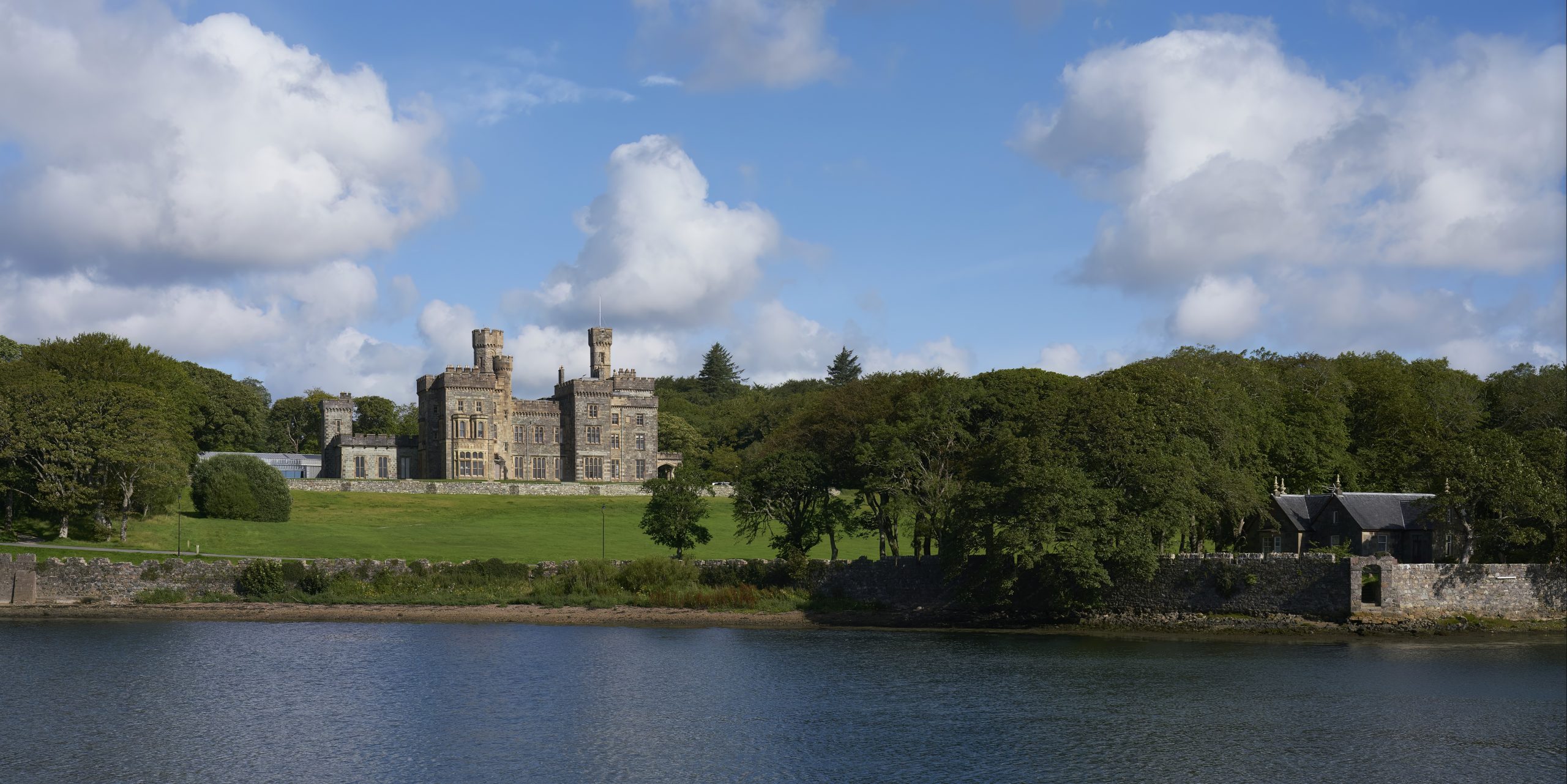
The Isle of Lewis does not do “perfect” weather. What it does offer is long summer daylight, mild winters for 58°N, and a landscape that looks different in every season. Choosing when to come is less about chasing heat and more about matching the month to what you want to do.
Figures below are based on the Met Office 1991–2020 long-term averages for Stornoway Airport and the same approach used in the site’s monthly weather summaries. Local conditions at Marybank and elsewhere on the island can differ from the airport; the local weather in Marybank page explains why.
The climate in brief
| Month | Typical day max | Typical night min | Rainfall | Wet days (≥1 mm) | Sunshine | Notes |
|---|---|---|---|---|---|---|
| Jan | 7.5 °C | 2.7 °C | 145 mm | 21 | ~33 h | Dark, windy, fewest daylight hours |
| Feb | 7.5 °C | 2.4 °C | 112 mm | 18 | ~61 h | Still winter; days lengthening |
| Mar | 8.5 °C | 3.2 °C | 105 mm | 18 | ~108 h | Transition; useful for quieter sites |
| Apr | 10.4 °C | 4.6 °C | 74 mm | 15 | ~156 h | Improving; good for walking |
| May | 12.6 °C | 6.4 °C | 69 mm | 14 | ~205 h | Often the driest, brightest stretch |
| Jun | 14.5 °C | 9.1 °C | 65 mm | 13 | ~162 h | Long days; midges begin |
| Jul | 16.3 °C | 10.8 °C | 74 mm | 14 | ~138 h | Mildest; peak tourist season |
| Aug | 16.4 °C | 11.0 °C | 88 mm | 15 | ~133 h | Similar to July; still long days |
| Sep | 14.7 °C | 9.5 °C | 104 mm | 16 | ~110 h | Quieter; autumn colour starting |
| Oct | 12.0 °C | 7.0 °C | 133 mm | 20 | ~78 h | Wetter and windier; storms more likely |
| Nov | 9.5 °C | 4.5 °C | 128 mm | 21 | ~45 h | Short days; second windiest month |
| Dec | 7.8 °C | 2.8 °C | 139 mm | 21 | ~27 h | Darkest; Atlantic systems frequent |
Sea temperatures around the Western Isles stay relatively mild into autumn (often near 12–13 °C in September), which is one reason nights stay less cold than the latitude suggests. Wind is the constant: the airport mean at 10 m is highest in January and November. On exposed coasts and hills it feels colder than the thermometer.
For day-to-day planning, use the Stornoway weather and 7-day forecast. The Isle of Lewis weather warnings page explains what the colours mean when a warning is issued.
Best overall window: May to early September
May and early June are often the most reliable for outdoor days. Rainfall is near its annual low, sunshine is high, and midges are not yet at full strength. Daylight is long but not the extreme of midsummer. Good for:
- Walking the coast paths and machair
- Visiting the Callanish Standing Stones without the heaviest crowds
- Day trips to the west-side beaches (Uig sands, Reef, Dalbeg)
- Photography in clearer air between systems
July and August are the mildest months (typical daytime maxima around 16 °C) and the busiest. Ferries, accommodation, and popular sites are fuller. Expect more showers than May, longer daylight, and midges in still, damp conditions—especially inland and in the evenings. Still excellent for:
- Stornoway town, harbour, and Lews Castle grounds
- Gearrannan Blackhouse Village and the west-side crofting museums
- Boat trips and wildlife (if sea conditions allow)
- Combining Lewis with Harris (Luskentyre, Seilebost, and the mountains)
September is a strong alternative if you prefer fewer people. Temperatures are still mild (recent Septembers have often been a little above the long-term mean; see the September 2026 summary), rainfall rises, and daylight shortens, but the island is quieter. Useful for walking, sites, and a slower pace.
Shoulder seasons: April and October
April brings improving light and lower rainfall than deep winter, but it can still feel raw on windy days. Good for history and archaeology if you dress for changeable conditions.
October is wetter and windier (see the October 2026 summary). Storms become more frequent; some outdoor plans will be weather-dependent. The reward is low visitor numbers, autumn light, and the chance of dramatic skies. Check warnings and ferry status before committing to exposed headlands or long walks.
Winter (November–March)
Short days, frequent Atlantic systems, and the highest average winds. Daytime temperatures often sit in the high single figures; nights can drop close to freezing but prolonged hard frost is less common than inland. This is the season for:
- Storm watching from safe vantage points (never on exposed cliffs in a gale)
- Museum and indoor days in Stornoway
- Occasional clear, cold spells and, in active years, aurora further north—check the aurora watch page for the live Kp index
Travel can be disrupted by wind and sea state. Build flexibility into ferry and flight plans.
Places worth prioritising (and when they work well)
| Place | Why go | Better in |
|---|---|---|
| Callanish (Calanais) Stones | Iconic stone circles and landscape | May–Sep for light and access; any clear day in winter for atmosphere |
| Gearrannan Blackhouse Village | Restored crofting village, west-side setting | Year-round; summer for full opening hours |
| Butt of Lewis lighthouse | Northern tip, cliffs, seabirds | Settled or moderate days; avoid in strong gales |
| Uig and west-side beaches | Big sands, machair, quieter than Harris | May–Sep; check tide and wind |
| Stornoway / Lews Castle | Harbour, museums, woodland walks, shops | Any season; useful wet-weather base |
| Harris (day trip) | Luskentyre, mountains, different light | Same as Lewis; allow for longer drives and weather on the spine road |
| Brochs and smaller sites (e.g. Dun Carloway) | Prehistoric towers and local history | Dry spells; paths can be slippery after rain |
Always check current opening times and path conditions. Historic Environment Scotland and local sites publish updates; the island’s single-track roads and weather mean journeys take longer than the map suggests.
Practical tips tied to the weather
- Wind dominates comfort more than temperature. A good shell layer matters in every month.
- Midges are worst in still, damp conditions from late spring into autumn—especially near bog and in the evening. Wind is your friend.
- Daylight swings from very short in December to extremely long in June. Plan driving and walks accordingly.
- Ferries and flights are sensitive to wind and sea state in autumn and winter. Leave margin in the schedule.
- Layering and waterproofs beat a single heavy coat. Conditions can change within an hour.
Summary
- Best all-round outdoor window: May to early September, with May–June often the most reliable for drier, brighter days.
- Mildest and busiest: July–August.
- Quieter mild option: September.
- For storms, low crowds, and short days: November–March, with flexible plans.
Use the live Stornoway forecast and the monthly overviews on this site to refine the week you choose. The island rewards people who dress for the Atlantic and leave a little slack in the itinerary.

Leave a Reply
You must be logged in to post a comment.